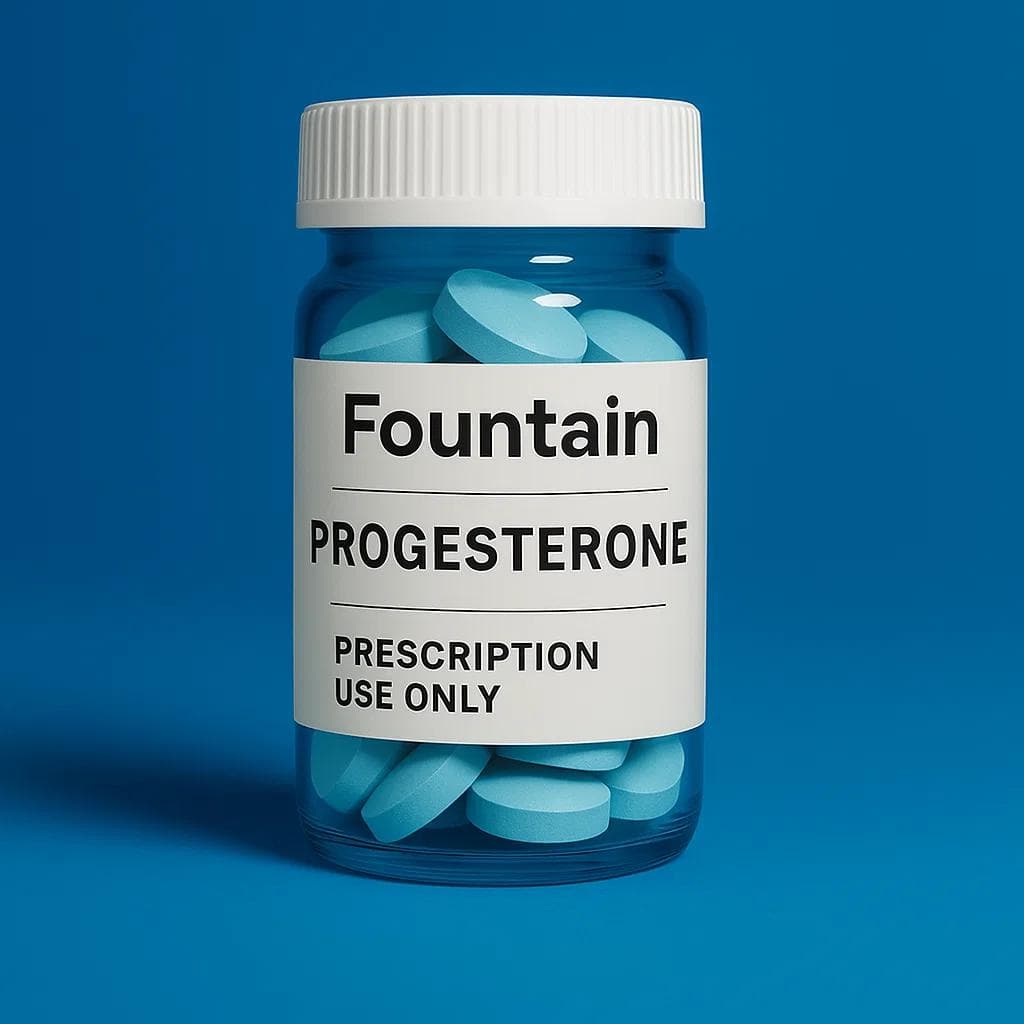
$145
Bioidentical progesterone therapy helps restore optimal levels of this vital hormone, alleviating symptoms such as anxiety, insomnia, and PMS. It is especially beneficial during perimenopause or menopause and is often paired with estrogen therapy to ensure balanced hormone support and endometrial protection.
Key Benefits
- Alleviates PMS and cycle-related mood symptoms
- Helps regulate menstrual cycles
- Supports better sleep quality
- Reduces anxiety and promotes calm
Progesterone Therapy
$145
Bioidentical progesterone therapy helps restore optimal levels of this vital hormone, alleviating symptoms such as anxiety, insomnia, and PMS. It is especially beneficial during perimenopause or menopause and is often paired with estrogen therapy to ensure balanced hormone support and endometrial protection.
Key Benefits
- Alleviates PMS and cycle-related mood symptoms
- Helps regulate menstrual cycles
- Supports better sleep quality
- Reduces anxiety and promotes calm
- Balances estrogen in combined HRT plans
Progesterone plays a key role in regulating the menstrual cycle, supporting pregnancy, and maintaining hormonal balance. When levels drop—often during perimenopause or menopause—women may experience mood swings, sleep issues, cycle irregularities, and heightened PMS symptoms. Progesterone therapy, particularly in bioidentical form, works with the body’s natural systems to help alleviate these symptoms, promote restful sleep, and stabilize mood. It also counterbalances estrogen's effects on the uterine lining and is typically used in combination hormone replacement regimens.

Who Might Benefit from Progesterone?
Progesterone therapy may be appropriate for women experiencing signs of hormonal imbalance, particularly those in perimenopause or menopause, or with irregular cycles and PMS-related symptoms.
Insomnia / Sleep disturbances
Progesterone can calm the nervous system through its effect on GABA receptors in the brain, helping improve both sleep quality and duration for women with hormone-related sleep disruptions.
Anxiety / Irritability
Fluctuating or low progesterone levels are associated with mood swings and anxiety. Supplementing this hormone can help stabilize mood and reduce emotional reactivity.
Premenstrual Syndrome (PMS) symptoms
Women suffering from severe PMS—such as mood instability, bloating, or breast tenderness—may benefit from progesterone therapy to ease luteal phase symptoms.
Irregular menstrual cycles
Progesterone supports proper endometrial development and can help regulate the menstrual cycle, particularly in cases of luteal phase deficiency or estrogen dominance.
Symptoms of perimenopause/menopause
Progesterone is often used alongside estrogen to create a balanced HRT plan, helping to manage symptoms like mood swings, hot flashes, and uterine health during the menopausal transition.
How Progesterone Works
Progesterone binds to receptors throughout the body and brain, influencing menstrual cycle regulation, mood, and sleep. It supports uterine health, balances estrogenic effects, and has natural calming effects on the central nervous system through GABA receptor modulation.

How It Works in Your Body
More Hormonal Health Treatments
Explore our other treatment options that may complement or offer alternatives to Progesterone Therapy.
Explore Our Programs
Discover more specialized treatments and services offered at Fountain


Frequently Asked Questions
Everything you need to know about Progesterone Therapy treatment